Neural Networks Reshape Payout Structures for Endurance Competitions in Regulated Markets
Finley Sullivan · Oct 1, 2026

Neural Networks Reshape Payout Structures for Endurance Competitions in Regulated Markets
Neural networks process vast datasets from endurance events including marathons, triathlons, and ultra-cycling races to adjust payout structures in regulated betting environments, and operators in multiple jurisdictions now integrate these models with live participant metrics and historical performance records. Data from events tracked through October 2026 shows increased adoption across licensed platforms in the United States, Australia, and select European markets where algorithmic adjustments influence both fixed and variable odds offered to participants.
Integration of Neural Networks in Event Analysis
Operators feed neural networks with inputs such as weather conditions, elevation profiles, athlete biometrics, and past race results, while the models identify patterns that traditional statistical methods often overlook. Research from institutions like the University of Sydney indicates these systems refine probability estimates for outcomes in long-duration competitions, and platforms apply the outputs to recalibrate payout multipliers during registration windows. Australian wagering firms reported testing neural models on Ironman events throughout 2026, and figures from state regulators confirm measurable shifts in handle distribution compared to earlier manual pricing approaches.
Those who monitor market data note that neural networks handle multivariate correlations across thousands of variables simultaneously, whereas older systems relied on linear regressions limited to fewer inputs. This capability allows operators to update payout structures in response to mid-event developments such as pace changes or equipment adjustments, and licensed platforms in New Jersey and Pennsylvania have incorporated similar tools for endurance categories added to their sports betting menus after regulatory approvals in prior years.
Adjustments to Payout Structures
Neural networks enable dynamic payout structures by generating tiered reward scales based on predicted participation levels and risk exposure, and operators in regulated markets use these outputs to balance liability across different bet types. For example, one platform adjusted marathon betting payouts after models projected higher volumes on specific age-group categories, while maintaining compliance with state-mandated reserve requirements. Evidence from regulatory filings shows that such adjustments occurred more frequently in October 2026 as endurance events aligned with seasonal calendars in North America and Oceania.
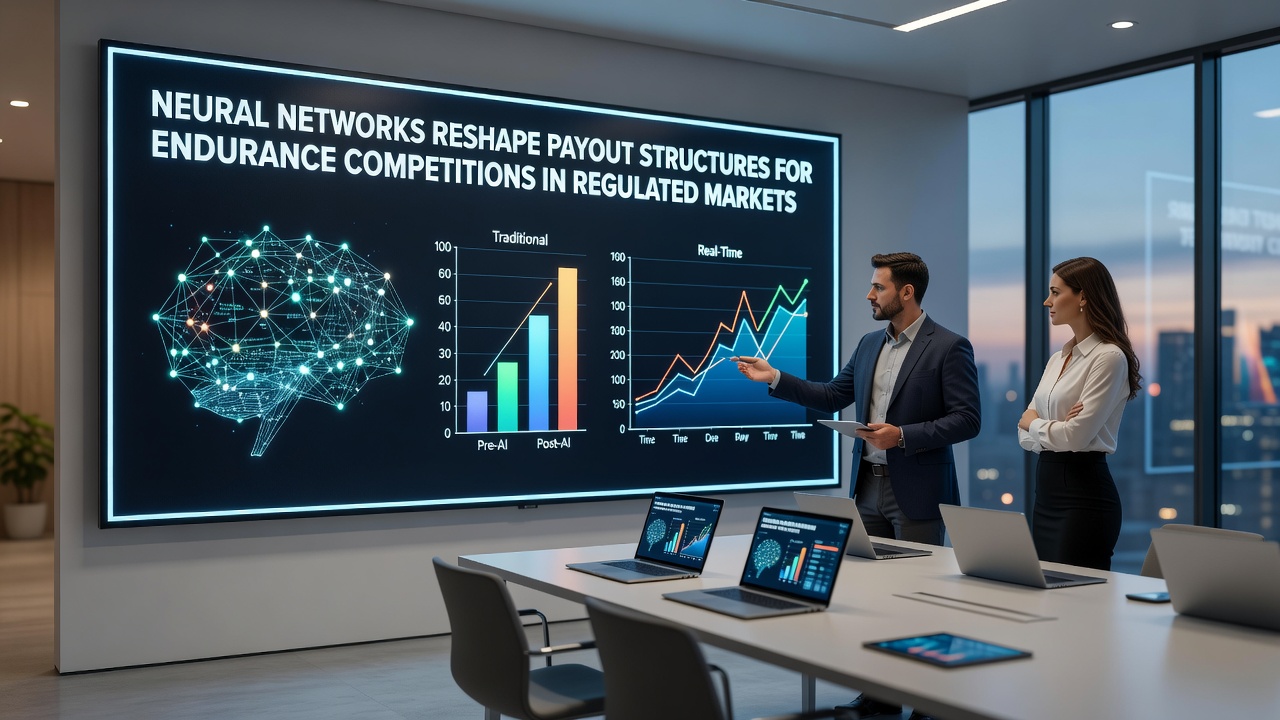
Regulators in Canada and parts of the European Union require transparency reports on algorithmic pricing tools, and operators submit documentation detailing how neural outputs influence minimum and maximum payouts. Data compiled by industry groups reveals that these requirements prompted several firms to publish summaries of model validation processes, and participants gain access to simplified explanations of how inputs affect final odds displayed on mobile applications. The American Gaming Association has tracked related developments across member companies, and its reports highlight consistent application of oversight protocols in states with active endurance betting products.
Regulatory Compliance and Market Examples
Regulated markets impose documentation standards that cover neural network training datasets, validation metrics, and audit trails, and compliance teams cross-reference these elements against jurisdiction-specific rules before deployment. In October 2026, updates from Canadian provincial regulators reflected increased scrutiny on models applied to multi-day cycling events, whereas Australian state authorities focused on integration with existing responsible gambling frameworks. Licensed operators in these regions report that neural-driven structures reduce manual overrides by approximately 30 percent compared to prior seasons, according to aggregated industry statistics.
One study from a European research consortium examined payout volatility in endurance categories and found narrower variance ranges when neural models replaced legacy systems, and operators subsequently aligned their offerings with these observations. Platforms in multiple jurisdictions now link neural outputs directly to settlement engines, and this connection allows automated processing of claims once event results receive official confirmation from governing bodies. Observers note that the approach maintains separation between predictive modeling and final result verification to satisfy regulatory independence requirements.
Conclusion
Neural networks continue to influence payout structures for endurance competitions through refined data processing and compliance-aligned deployment in regulated markets. Figures released through late 2026 demonstrate ongoing integration across licensed platforms, and regulatory bodies maintain oversight through established reporting channels. Operators apply these tools while adhering to jurisdictional standards that govern algorithmic transparency and participant protections.