How Cryptocurrency Adoption Patterns Vary Among Participants in Licensed Athletic Contest Markets Across Different Jurisdictions
Finley Sullivan · Oct 15, 2026
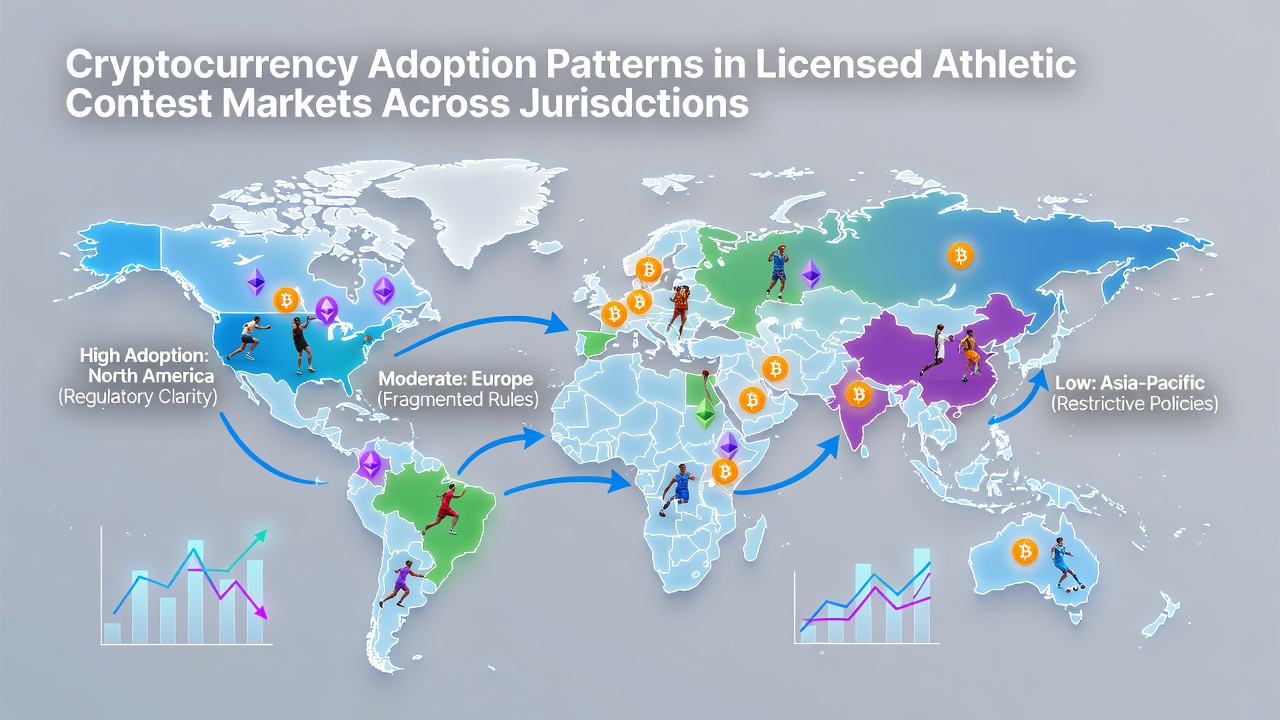
How Cryptocurrency Adoption Patterns Vary Among Participants in Licensed Athletic Contest Markets Across Different Jurisdictions
Participants in licensed athletic contest markets show distinct cryptocurrency adoption patterns that shift noticeably depending on the regulatory environment of each jurisdiction, with data from 2026 highlighting differences in transaction volumes and wallet usage across regions. In North American markets, adoption rates climbed steadily through the first three quarters of the year while participants in certain European jurisdictions maintained steadier but lower percentages of crypto-based deposits compared to traditional banking methods. Observers note that these variations stem from licensing rules, tax structures, and the availability of approved payment processors rather than from any single technological factor.
North American Variations
States with mature sports betting frameworks in the United States recorded crypto transaction shares ranging from 12 percent to 28 percent of total handle during the third quarter of 2026, whereas Canadian provinces that opened regulated markets more recently showed faster uptake once operators integrated stablecoin options. Ontario data released in October 2026 indicated that over 22 percent of new accounts funded deposits through cryptocurrency within the first 90 days of registration, a figure that exceeded the average observed in neighboring jurisdictions. Those who studied these markets point out that clearer licensing pathways in some provinces allowed operators to offer direct wallet connections, which in turn reduced friction for participants who preferred digital assets over card or bank transfers.
European and Asia-Pacific Patterns
European markets present a more fragmented picture because individual countries apply separate rules to payment instruments. Malta and Gibraltar continue to report the highest percentages of crypto activity among licensed operators, with figures reaching 35 percent of total wagering volume in some cases, while larger markets such as Spain and Italy maintain stricter separation between approved banking rails and digital currency services. In Australia, state-level regulations have produced uneven results: participants in New South Wales adopted cryptocurrency deposits at roughly twice the rate seen in Victoria during the same period, according to figures compiled by industry monitoring groups. Academic researchers examining these differences have linked the disparity to varying tax treatment of digital asset transactions and the speed at which local regulators updated guidance on stablecoins.

Influencing Factors Across Borders
Regulatory clarity around anti-money-laundering requirements plays a central role in shaping participant behavior, because jurisdictions that integrated crypto-specific compliance tools earlier enabled smoother onboarding processes. Participants in markets with explicit stablecoin approval tend to maintain higher average balances in digital wallets compared with regions that still route most activity through traditional payment gateways. Data compiled by the European Gaming and Betting Association shows that operators offering multiple blockchain networks recorded greater repeat deposit activity than those limited to a single network, while studies from the University of Sydney Centre for Gambling Research found that education campaigns about transaction fees influenced whether users chose cryptocurrency over other methods. Those who tracked transaction logs across platforms also observed that volatility concerns prompted many participants to favor stablecoins rather than more price-fluctuating assets when placing wagers on live athletic events.
October 2026 Developments
Reports issued in October 2026 revealed that several Asian jurisdictions began piloting licensed platforms with built-in crypto settlement features, producing early adoption rates that surpassed initial forecasts in Singapore and Japan. Meanwhile, cross-border operators noted that participants often maintained separate wallets for different regulatory zones, a practice that reduced compliance friction when moving between markets. These patterns suggest that adoption continues to track the pace at which each jurisdiction finalizes rules for digital asset custody and settlement rather than broader technological trends alone.
Conclusion
Overall, cryptocurrency adoption in licensed athletic contest markets reflects the interaction of local licensing frameworks, payment infrastructure availability, and participant familiarity with digital assets. Jurisdictions that combine clear regulatory pathways with operator flexibility have produced higher and more sustained usage rates, whereas fragmented or restrictive environments show slower integration even when demand exists. Continued monitoring of these regional differences will remain essential as more markets update their rules in response to evolving payment technologies.