Data Aggregation Techniques Shaping Strategies in Regulated Sports Betting Markets
Willa Schmid · Sep 17, 2026
Data Aggregation Techniques Shaping Strategies in Regulated Sports Betting Markets
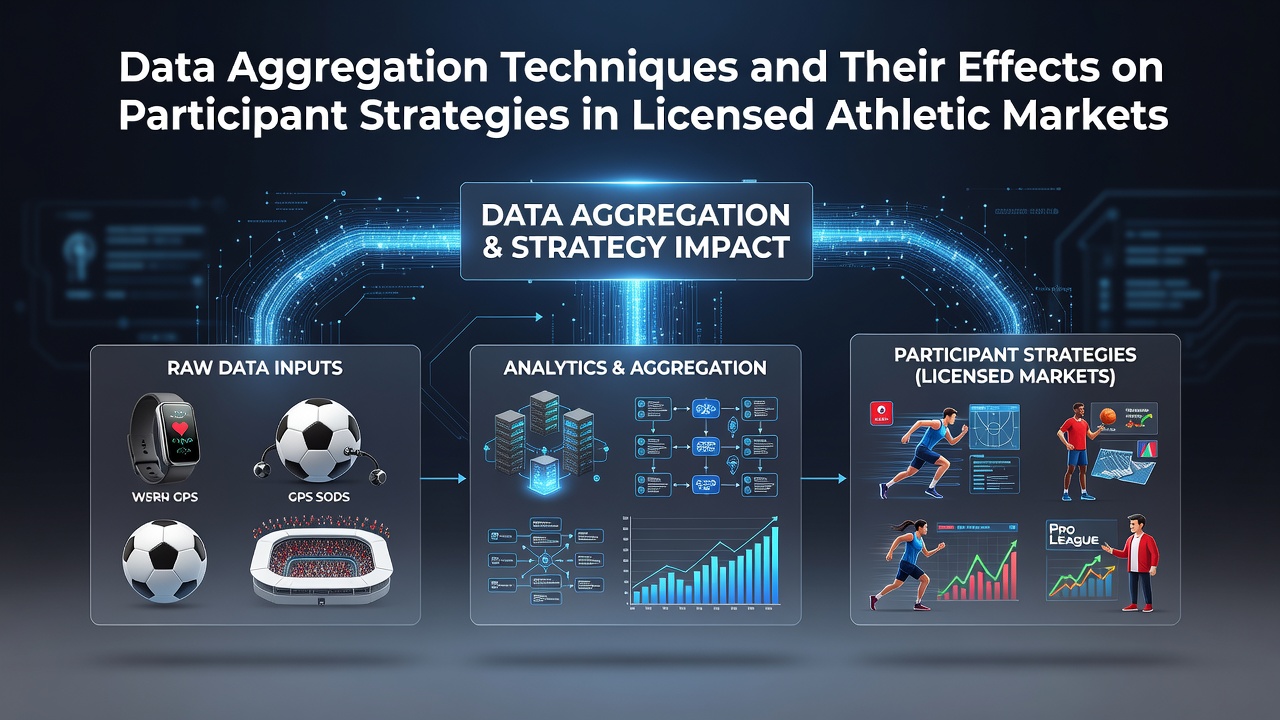
Operators in licensed athletic markets collect vast amounts of information from public statistics, player performance records, weather reports, and historical odds movements, then combine these streams through structured aggregation methods that standardize formats and remove duplicates before analysis begins. Researchers at academic institutions have documented how these processes allow platforms to build comprehensive datasets that reveal patterns across thousands of events each season. Participants who access aggregated outputs often adjust their wagers based on synthesized indicators rather than isolated data points, which changes how they allocate capital across different markets.
Core Techniques Used in Data Aggregation
Extraction, transformation, and loading pipelines form the backbone of most aggregation systems in this sector, where raw feeds from league databases and sensor networks undergo cleaning and normalization to create unified views. Machine learning models then layer predictive variables on top of these cleaned records, producing outputs that highlight correlations between variables such as team travel schedules and scoring margins. Observers note that real-time aggregation tools pull live injury reports together with betting volume spikes, enabling quick recalibration of implied probabilities that participants monitor through dashboards supplied by licensed operators.
Batch processing handles historical archives at regular intervals while streaming aggregation updates in-play data during events, and the combination of both approaches gives users layered perspectives that influence timing decisions. Data from multiple jurisdictions gets merged under common schemas so cross-border comparisons become feasible, though regulatory differences in record-keeping standards require careful mapping to avoid inconsistencies.
Effects on Participant Decision Processes
Those who engage with aggregated datasets frequently shift from intuitive selections toward model-driven entries because the combined information reduces uncertainty around specific outcomes. Studies from research centers in North America and Australia indicate that bettors using these resources tend to concentrate activity in markets where data coverage is densest, such as major league football and basketball, while avoiding thinner lines with limited historical context. Aggregated signals also surface arbitrage opportunities when discrepancies appear between aggregated odds from several books, prompting some participants to execute simultaneous positions across platforms.

Bookmakers respond by tightening lines faster once aggregation systems detect unusual volume patterns, which in turn forces participants to refine entry points and stake sizing. In September 2026 several state regulators updated reporting requirements that mandate clearer disclosure of aggregation sources used by operators, giving participants additional context when evaluating the reliability of displayed metrics. The result has been measurable shifts in strategy as users incorporate source transparency into their own filtering rules.
Regulatory Context and Market Adaptations
Authorities in multiple regions require operators to maintain audit trails of how aggregated data informs odds compilation, a measure designed to support responsible market oversight. Industry reports from bodies such as the American Gaming Association show steady growth in the adoption of third-party aggregation vendors that supply standardized feeds to licensed entities. These vendors apply encryption and access controls that limit who can view granular inputs, thereby shaping the strategies available to different tiers of participants.
One documented case involved endurance event contracts where sensor fusion outputs were aggregated with satellite weather layers, after which participants adjusted live positions more rapidly than in prior seasons. Another instance saw platform operators integrate academic datasets on demographic betting trends, which altered promotional targeting and prompted users to diversify across event types. Such adaptations demonstrate how aggregation depth directly correlates with strategy complexity across user segments.
Future Developments in Aggregation Practices
Emerging standards around data portability may soon allow participants to import their personal historical records into operator systems, creating personalized aggregation layers that further customize strategy outputs. European regulatory updates scheduled for late 2026 emphasize interoperability requirements that could accelerate cross-platform data sharing under controlled conditions. Participants who prepare for these changes by testing aggregation tools from multiple vendors often gain earlier familiarity with evolving interfaces.
Conclusion
Data aggregation techniques continue to evolve within licensed athletic markets as operators and participants alike refine methods for combining disparate information sources into actionable intelligence. The documented effects on strategy include more precise timing, broader market coverage, and increased reliance on synthesized indicators rather than single variables. Regulatory developments through September 2026 and beyond will likely standardize certain aggregation practices while preserving competitive differences in how platforms present results to users. Those who track these technical and policy shifts gain clearer visibility into how market dynamics respond to improved data integration.